Minab Was a Process Failure Wearing New Software
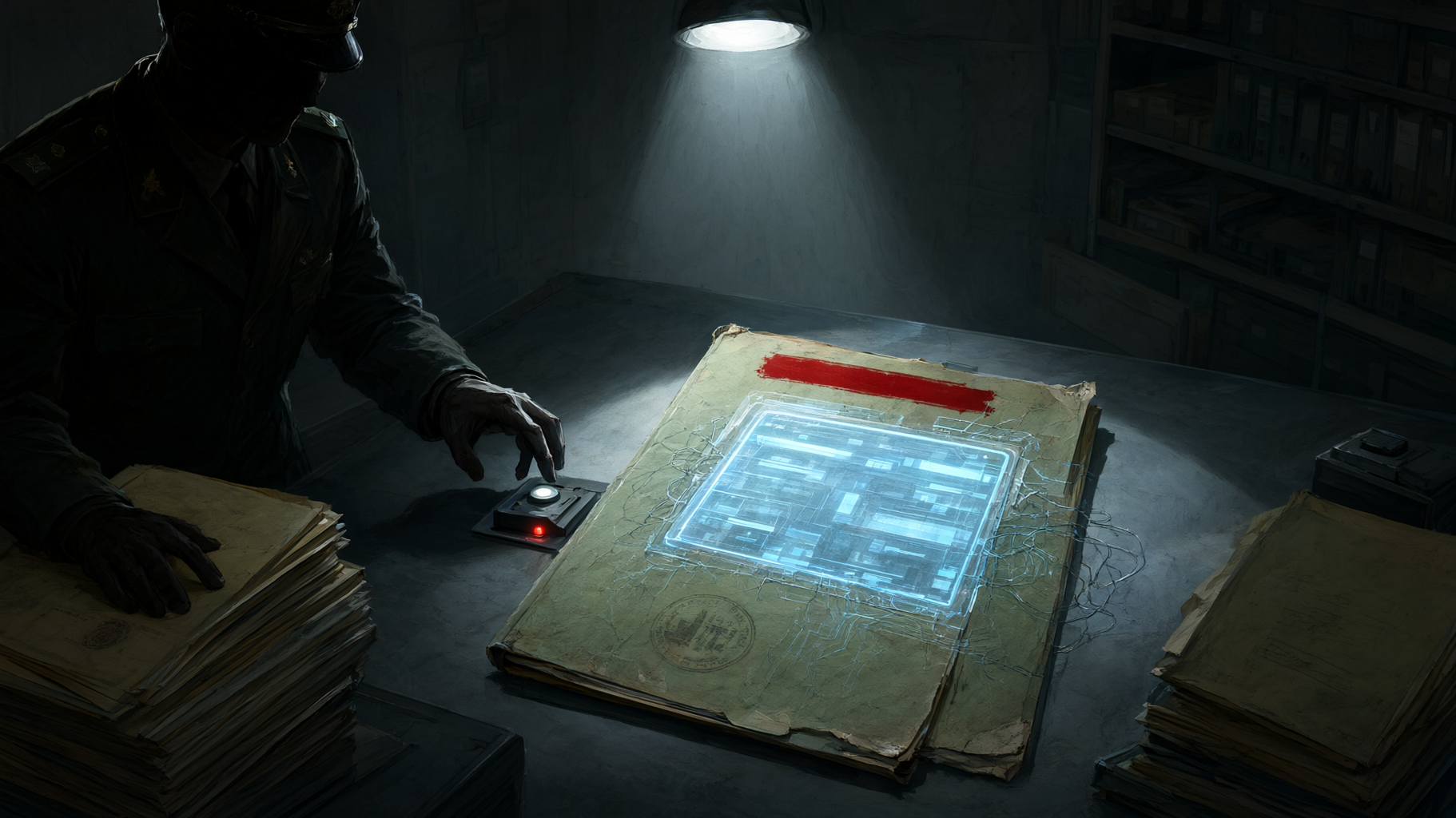
I have read this press release before, just in an older font. An unreleased Pentagon probe is said to have investigated the kill chain that hit a school in Minab, with the early word being that overreliance on Palantir’s Maven system helped walk the missile in.1 At the same time the military brass keeps saying artificial intelligence is helping process data, but humans are making the final decisions.2 That gap is the whole story. If the humans were in charge, why did the machine get the vote, and if the machine was in charge, why are we pretending a human signed off?
The reason I am cynical is that the pattern predates any of this kit. One legal analysis puts it bluntly as “Blame the Pentagon, Not AI, for Preventable Targeting Mistakes”, then lists the receipts: in October 2015 an American strike hit a medical facility in Afghanistan killing at least 42 people in what Washington called a tragic incident, and in August 2021 another strike on misidentified individuals killed 10 civilians including seven children.3 No Maven, no large language model, no hallucination defence, just bad identification, bad process and dead civilians. The Minab reporting adds a familiar garnish, with outdated targeting data blamed for the school strike even as the Pentagon pushes for more autonomous weapons.4 UN-backed experts have now said they found reasonable grounds to believe the United States committed war crimes in two strikes in Iran, including on the school in the southern city of Minab.5 New imagery pointing to American responsibility only sharpens the question.6 It was never whether the tool was clever. It was whether anyone checked.
That is the strong version of the defence, and I buy most of it, but I do not want to let the technology completely off the hook. A separate military episode reported this week involved an almost-boarding of a Chinese vessel on bad AI-derived intel, with the source warning it was part of a trend and “not an isolated incident”.7 That matters because the tempo and confidence of these systems are different. An analyst drowning in full-motion video and signals hits will defer to a crisp machine label in a way they never deferred to a tired colleague. The Georgia Tech crowd makes the same point in plainer language, that the technology does not lessen the need for human judgment in war.8 Community sentiment splits the same way. One commenter argues the area context makes it easy to accept that “this was a horrific mistake” in a strike where the building sat a dozen metres from a compound and had previously been part of it.9 Another calls the whole framing accountability laundering, furious that software gets the blame while command walks away.10 Both can be true: a mistake can be understandable in its mechanics and still be a crime in its oversight.
My take is that the Pentagon-was-always-like-this argument survives, but only just, and only if we use it to increase accountability rather than spread it around. AI did not invent misidentification, confirmation bias, stale coordinates or pressure from above to service targets quickly. What it did was give those old failures a new alibi, a veneer of maths that makes a guess look like a finding. If overreliance contributed, as the probe supposedly found, then overreliance is a human decision about training, staffing, rules of engagement and who is allowed to say no to the screen. Blaming the model is how an institution that bombed a hospital in 2015 and a family in 2021 avoids asking why, a decade later, its safeguards still fold under pressure. Fix the chain of command, publish what can be published, and punish what must be punished. The chip is not the commander.
Sources
- 1 Pentagon Investigators Say Overreliance on Palantir AI Tech Contributed to U.S. Strike That Killed 123 Iranian Children - Gizmodo — gizmodo.com
- 2 US military confirms use of ‘advanced AI tools’ in war against Iran | US-Israel war on Iran News | Al Jazeera — aljazeera.com
- 3 Blame the Pentagon, Not AI, for Preventable Targeting Mistakes | Lawfare — lawfaremedia.org
- 4 Earlier reporting — gizmodo.com
- 5 Associated Press — apnews.com
- 6 New imagery suggests U.S. responsible for Iran school strike — cnn.com
- 7 In a separate episode reported this week — gizmodo.com
- 8 US Military Leans Into AI for Attack on Iran, But the Tech Doesn’t Lessen the Need for Human Judgment In War | Office of Information Technology — gatech.edu
- 9 @jvanderbot on Iran school bombing: grounds to believe US was behind atrocity, UN finds — ycombinator.com
- 10 @iAMkenough on Building a Linux GPU Driver for the M4 Mac Mini in One Month — ycombinator.com
How this was made
- 01-research ~z-ai/glm-flash-latest $0.012
- 04-nominate ~deepseek/deepseek-v4-flash-latest $0.009
- 05-select ~google/gemini-flash-latest $0.007
- 06-write meta/muse-spark-1.3-contributor $0.004
- 08-visualise anthropic/claude-sonnet-5 $0.043
total $0.076