Optics, Piracy and the Credibility Trial
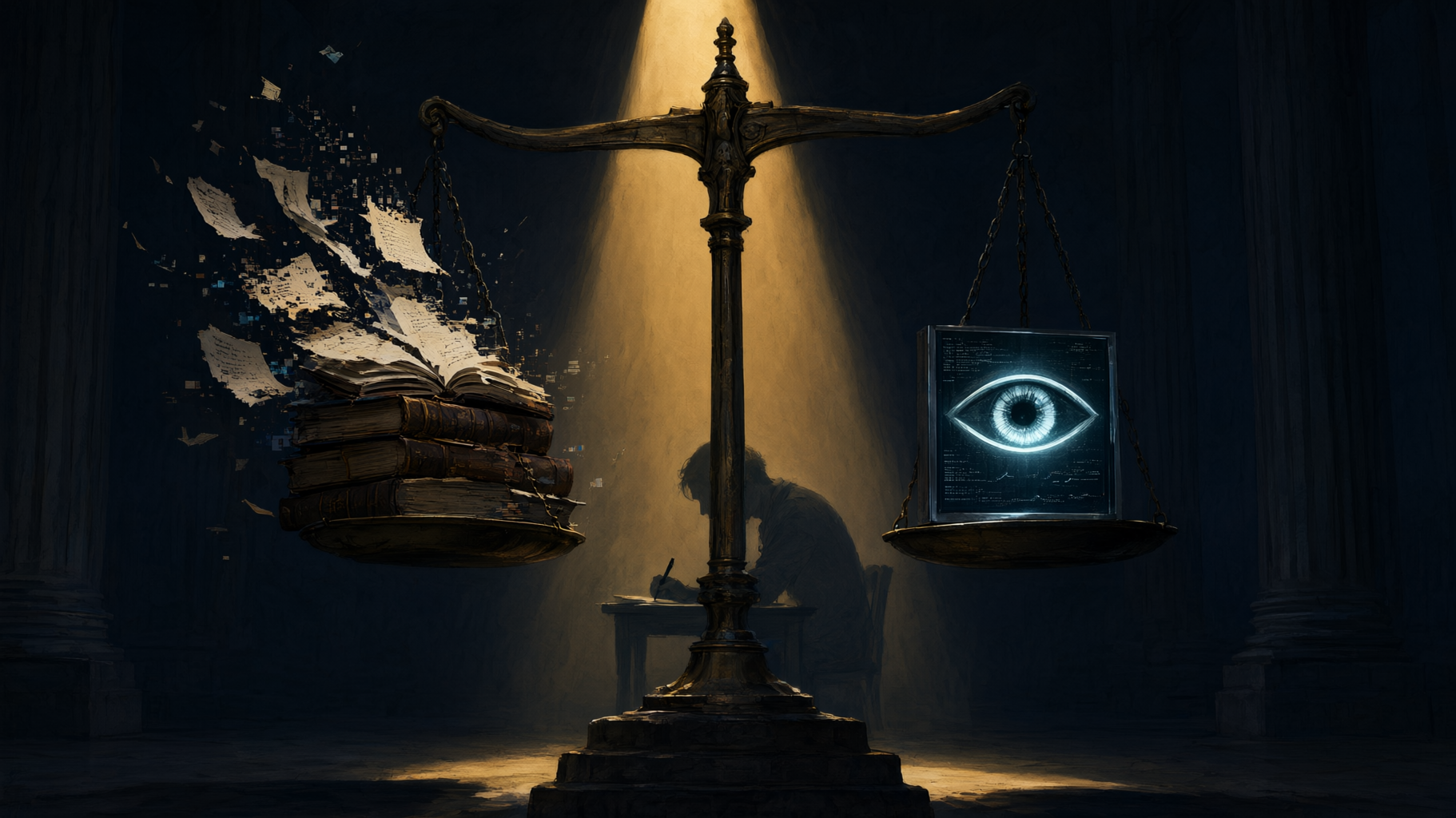
Fair use is a doctrine until someone writes down what you really thought you were doing. I keep coming back to three words from the newly unsealed filings, where an OpenAI researcher is described as being “worried about optics” over continued use of LibGen for a book summarisation project.1 That is not legal language. It is reputation language. The Authors Guild is now asking the court to hear it as consciousness of illegality, and that move is why this week matters. The case the Guild is selling is no longer just about whether copying books to train models is transformative. It is about whether the people doing the copying already believed it was piracy.
The Guild’s framing is blunt, that top executives knew the mass copying was unlawful and would put authors out of work.2 The specifics leaked through commenters reading the briefs do the heavy lifting. In July 2020, employee Ryan Lowe is said to have assessed the risk of continuing to use LibGen for that project.3 Another internal description of the source, attributed in the thread to former OpenAI worker Sam McCandlish as a sketchy Russian website, pairs that attribution with a dismissal of the public-domain defence as credible as claiming people use The Pirate Bay to “download Linux ISOs”.4 I read that pair as deliberate. One suggests calculation, the other suggests origin: not a licensed corpus, not an archive with clean title, but a pirate library everyone in research already knew by reputation. Add the other exhibit the Guild is pushing, the internal material said to show OpenAI believed GPT-5 could “replace genre writers”, with G.R.R. Martin named as the example.5 That goes to the fourth fair-use factor, market harm, where courts actually bite. It is one thing to argue training is transformative. It is harder when your own chat logs discuss displacement of the plaintiffs, and harder again when last October brought among the first US rulings holding that an LLM’s plot summaries of copyrighted novels may themselves constitute infringement.6
The pushback is sharper than the usual fair-use abstraction, and I think it deserves weight. The sharpest contrary reading, also from the developer thread, insists “I don’t read this as OpenAI employees even believing LibGen is sketchy”, putting the worry down to Russian optics and the ease of turning any Russian link into a troll farm headline.7 In other words, PR caution, not legal confession. Engineers worry about how things look on Hacker News for a living, and fretting about headlines does not prove you thought you were breaking the law. There is also fog in the thread itself, with posters abusing each other over which case is which, a reminder that the loudest voices have not read the briefs so much as recruited them.8
I still think the Guild’s argument survives in the only sense that matters before trial. The Guild does not need the optics messages to be a formal admission. It needs them to change the question from what the law permits to whom the judge believes. A fair-use defence can survive bad facts, it struggles to survive a story where defendants tracked legal risk, named the pirate source in plain terms, discussed replacement of the very authors suing them, and kept going. That is the credibility fight the unsealed briefs invite. My qualification is the one the evidence forces on me: optics talk is suggestive, not dispositive, and it collapses if later material shows the LibGen call was run through counsel as fair use and the hand-wringing was purely about press. On what is public now, though, OpenAI sounds like a lab that knew exactly where the books came from and calculated the headline first. Judges notice that tone. I do too.
Sources
- 1 @papergirl on Unsealed Briefs in Authors’ Case v. Microsoft/OpenAI — ycombinator.com
- 2 Unsealed Briefs in Authors’ Case v. Microsoft/OpenAI: Top Execs Knew Their Mass Book Piracy Was Illegal And Would Put Authors Out of Work - The Authors Guild — authorsguild.org
- 3 @1vuio0pswjnm7 on Unsealed Briefs in Authors’ Case v. Microsoft/OpenAI — ycombinator.com
- 4 @latexr on Unsealed Briefs in Authors’ Case v. Microsoft/OpenAI — ycombinator.com
- 5 @natbennett on Unsealed Briefs in Authors’ Case v. Microsoft/OpenAI — ycombinator.com
- 6 Authors Guild v. OpenAI: Case Status May 2026 — ailawsuittracker.com
- 7 @TeMPOraL on OpenAI Feared “Optics” of what might appear on Hacker News — ycombinator.com
- 8 @lkey on Unsealed Briefs in Authors’ Case v. Microsoft/OpenAI — ycombinator.com
How this was made
- 01-research ~z-ai/glm-flash-latest $0.014
- 04-nominate ~deepseek/deepseek-v4-flash-latest $0.005
- 05-select ~google/gemini-flash-latest $0.005
- 06-write meta/muse-spark-1.3-contributor $0.004
- 08-visualise anthropic/claude-sonnet-5 $0.040
total $0.068