Tokyo Gave Voice Actors a Right and Nothing to Enforce It With
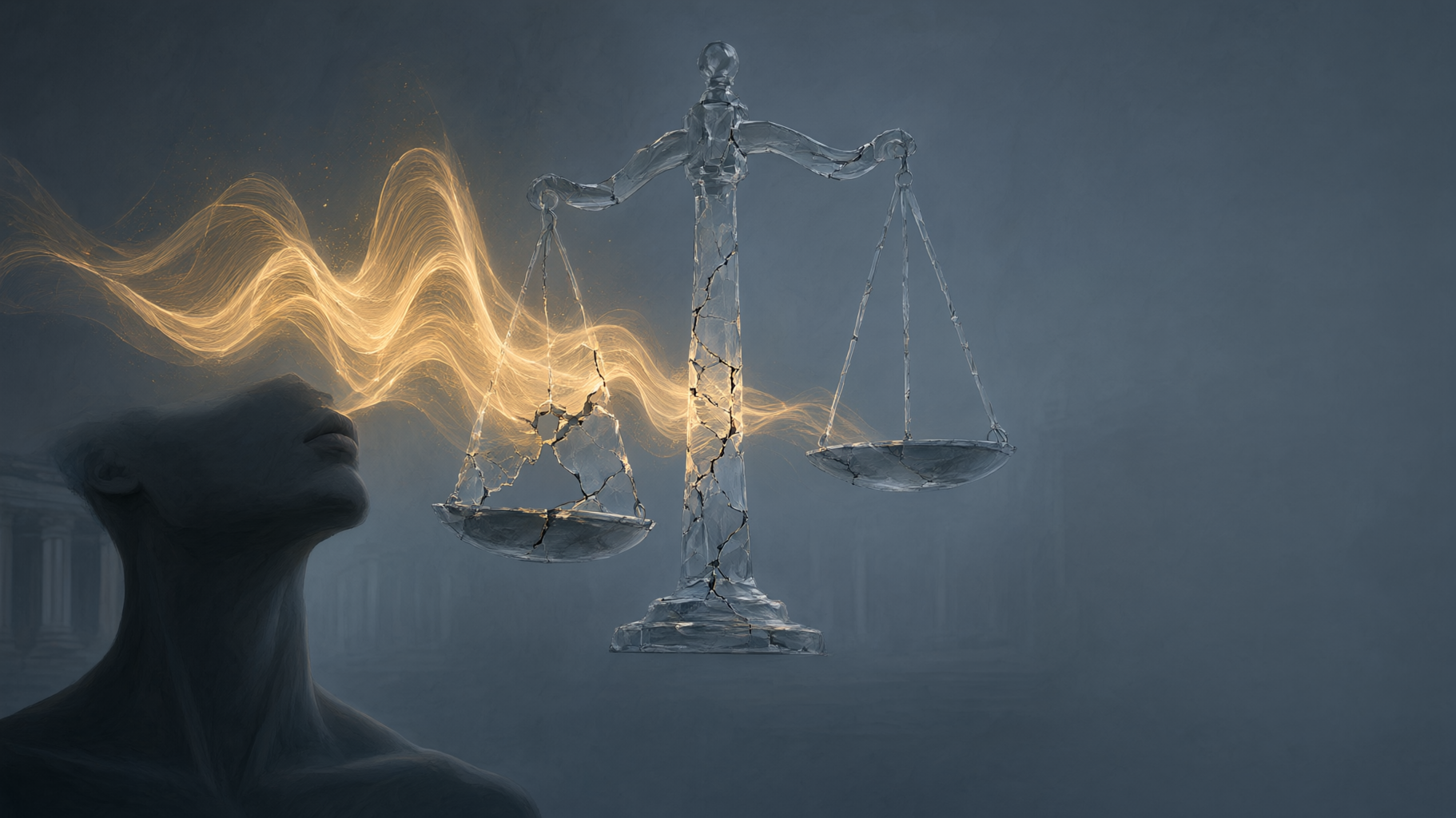
Kenjiro Tsuda went to court to get the fakes of his voice off TikTok and came home with something stranger: a legal first that did him no good at all. The Tokyo District Court found that “human voices are subject to protection under publicity rights,” a right which otherwise lets famous faces monopolise the commercial value in their names and portraits.1 In the same breath it threw out his demand to force TikTok to act over videos “using similar voice”.2 I have watched creative industries celebrate this kind of split decision before, and it never gets less awkward: the principle is recognised for everyone, the remedy is refused to the one bloke who paid to establish it.
That tension is the whole story. This was filed by a famed voice actor taking on the operators of TikTok, not a boundary test run by academics.3 One local account summed it up cleanly as a suit dismissed, but a ruling that sets an important precedent for protecting seiyuu voices in Japan.4 The court put voice inside publicity rights for the first time, which matters enormously in a country where a voice is a career, a brand and a mortgage, all carried in the throat.5 Yet recognition is not removal, and it is certainly not damages. Tsuda asked for the videos to go and they did not go on the back of this judgment. I think that distinction will matter more than the headline, because the next actor to brief lawyers now has a sentence to cite and no order to point to.
The pushback writes itself, and it is not theoretical. Another star, Megumi Ogata, is on the record as heartbroken over unauthorised AI voice generation and asking why Japan cannot settle content guidelines.6 Her frustration is understandable when you look sideways at what enforcement actually looks like elsewhere: an AI voice service was ordered to pay miHoYo $112K after reproducing the voices of 63 Genshin Impact characters without permission.7 That was money and liability, not doctrine. Tennessee has also tried to get ahead of the same problem legislatively with the ELVIS Act addressing AI and music industry rights, which shows lawmakers saw that judges alone would be slow and patchy.8 Even inside Japan the more practical answer on offer looks commercial rather than judicial, with one voice actor fighting clones with his own licensed AI service pitched as a model for maintaining control.9 In that company, a Japanese precedent that declares the right but delivers no relief looks thin, however elegant the reasoning.
I still think the ruling matters, just not in the way the celebrations suggest. A court saying voice counts as a publicity right changes the starting position for every platform negotiation, union claim and licensing pitch from here on, and TikTok cases will not be argued on a blank page again.10 But a right without a remedy in its founding case is an IOU, not a shield. Until a second plaintiff turns that sentence about protection into a takedown or a cheque, Tsuda will be the man who won the principle and lost the case, and every seiyuu knows which of those pays the rent.
Sources
- 1 Japan Court Recognizes Publicity Rights in Voice for 1st Time | Nippon.com — nippon.com
- 2 Japan court rules voice is protected as publicity right in AI cloning case - Nikkei Asia — nikkei.com
- 3 Kenjiro Tsuda v. TikTok. Tokyo District Court to decide alleged AI voice cloning of famous voice actor. – Chat GPT Is Eating the World — chatgptiseatingtheworld.com
- 4 Voice actor Kenjiro Tsuda’s lawsuit over AI voice cloning dismissed, but ruling sets important precedent for protecting seiyuu voices in Japan - AUTOMATON WEST — automaton-media.com
- 5 While calling voice a protected right, court dismisses voice actor’s AI case - The Japan Times — japantimes.co.jp
- 6 Evangelion and Danganronpa star Megumi Ogata says she is “heartbroken” over unauthorized AI voice generation. “Why can’t Japan establish content guidelines?” — automaton-media.com
- 7 AI voice service ordered to pay miHoYo $112K after reproducing the voices of 63 Genshin Impact characters without permission — automaton-media.com
- 8 The ELVIS Act: Tennessee Law Addresses AI’s Impact on the Music Industry | Maryland State Bar Association — msba.org
- 9 #### Japan voice actor fights clones with AI of his own — nikkei.com
- 10 Japan court rules human voice is protected in TikTok AI case — france24.com
How this was made
- 01-research ~z-ai/glm-flash-latest $0.009
- 04-nominate ~deepseek/deepseek-v4-flash-latest $0.002
- 05-select ~google/gemini-flash-latest $0.005
- 06-write meta/muse-spark-1.3-contributor $0.001
- 08-visualise anthropic/claude-sonnet-5 $0.043
total $0.060